Full house: The SIGU Platform’s ‘Zukunftsfabrik 2026’ event in Berlin was very well received
- News
- Fakultät

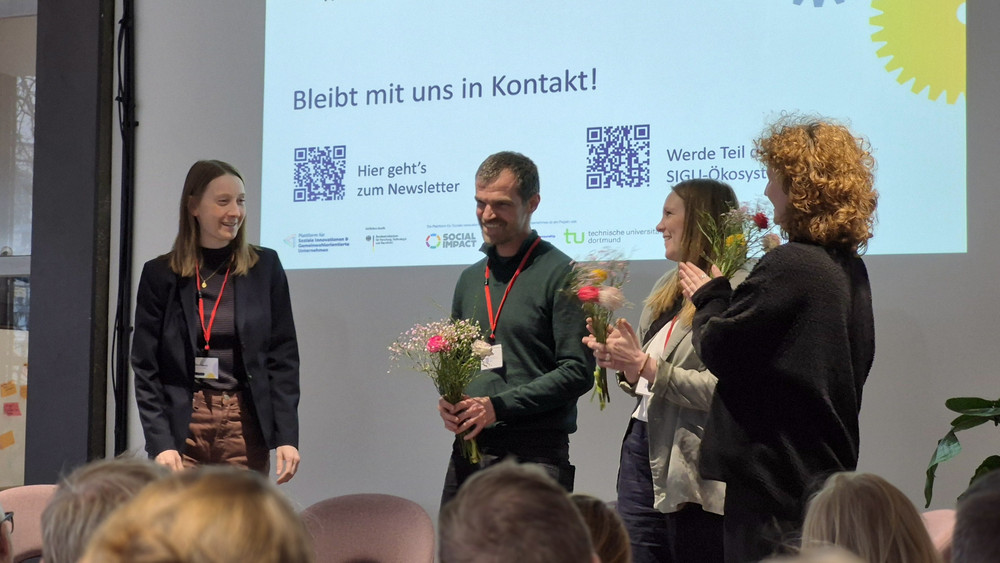
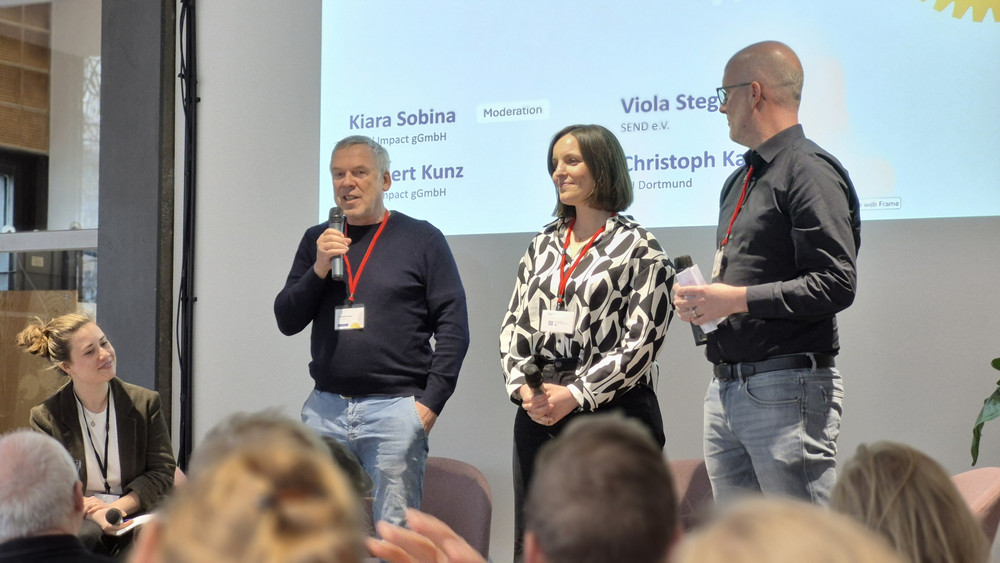
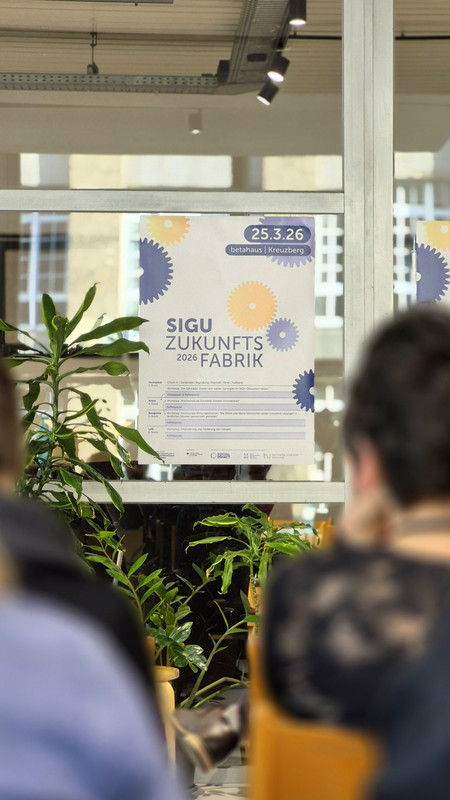
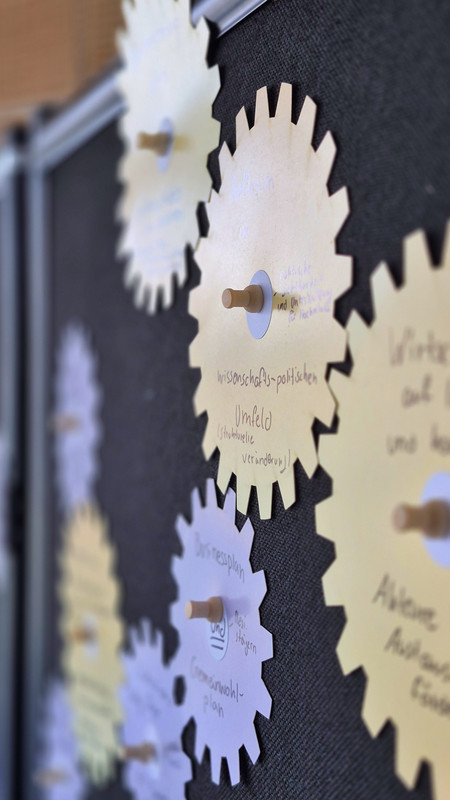
Already last year, there was huge interest in the first Zukunftsfabrik (Future Factory), and numerous participants contributed their ideas and experiences to the workshops, the “Future Forges”. Building on discussions from the “Science” 2025 Future Forge, this time the Future Workshop continued by making the role and specific capabilities of science tangible and experiential through concrete projects, initiatives, start-ups and support formats for social innovation. Whereas last year the focus was on ideas and recommendations for fostering the embedding of social innovation offerings in higher education institutions, this year the focus was on how social innovations in research, teaching and knowledge transfer can be “brought to life”. Several experts shared their perspectives on this through keynote presentations. In a subsequent panel discussion and discussions with participants, examples were used to highlight how the higher education system can drive social innovation, as well as where weaknesses still exist. Contributors were: Prof. Dr Andreas Schröer | University of Trier, Jürgen Schultze | TU Dortmund University / Social Research Center, Aylin Shakibi | Join The Flock / City-Flock, Dr Christoph Harrach | TH Ostwestfalen-Lippe (moderated by Dr Ralf Kopp and Daniel Krüger | TU Dortmund University / Social Research Center). Carlotta Buchholz and Alexander Dederichs provided active organisational support | TU Dortmund / Centre for Social Research.The Social Research Center was also actively involved in the concluding panel of the main event, with PD Dr Christoph Kaletka. It became clear that the SIGU platform will continue for the time being as a key structural element of the wider network, and that ideas are currently being considered, for example, to enhance opportunities for participation and optimise the technological infrastructure.